
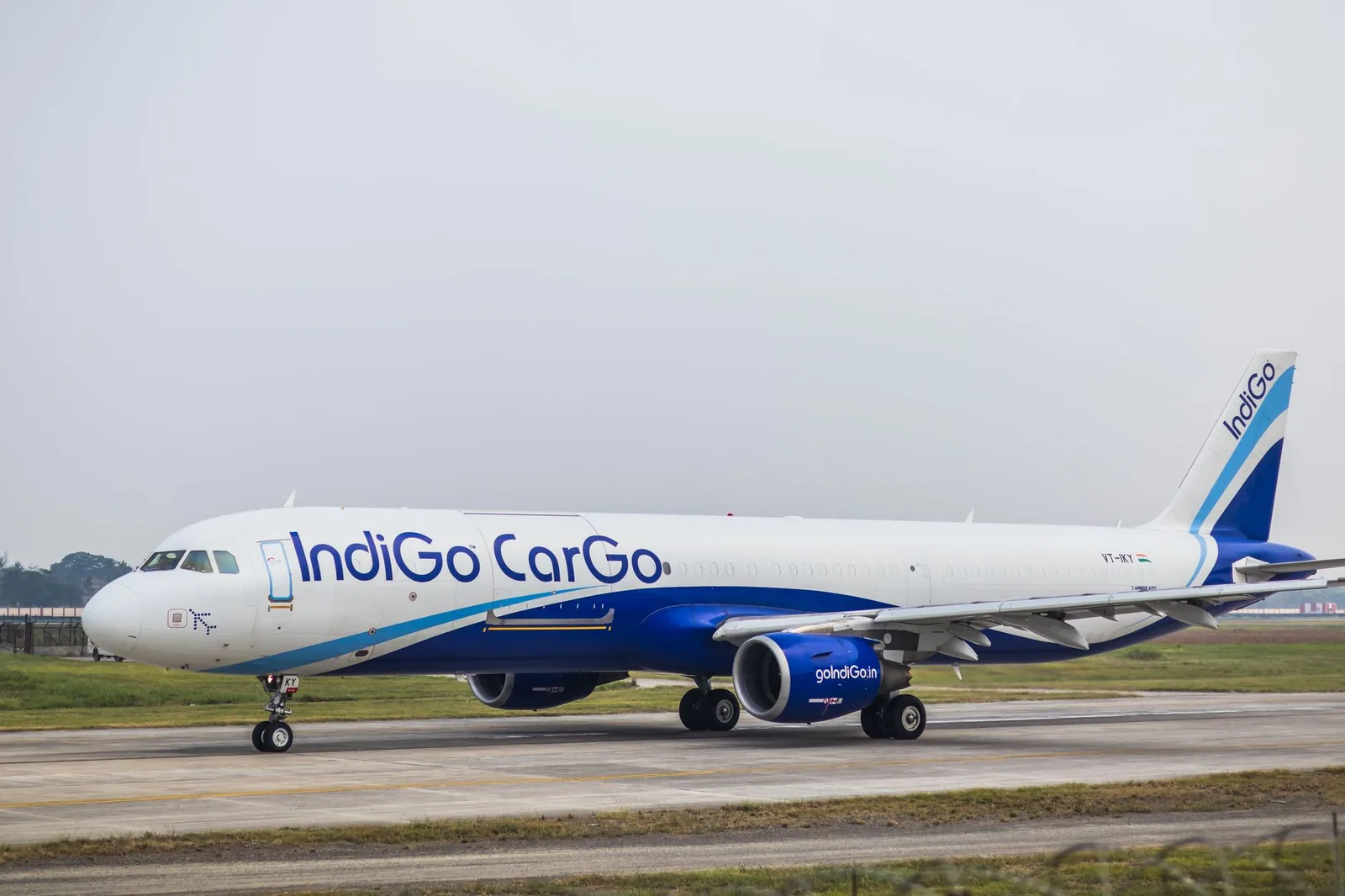
Introduction
Air cargo is at a crossroads. A surge in high‑value shipments—particularly AI‑related hardware moving from Asia‑Pacific to North America—has created a squeeze on available belly space. At the same time, airlines are grappling with soaring fuel costs, under‑utilised flights, and the need for faster, paper‑less operations. The answer emerging across the industry is AI‑driven cargo technology.- --
The Squeeze: Why Capacity Is Tight
- Demand growth: Xeneta reports a 7 % rise in June, with AI‑related shipments driving a 41 %–42 % rate jump on key Asia‑North America lanes.
- Rate pressure: Spot rates remain elevated (+30 % YoY) despite a modest easing later in the year.
- Financial stakes: Fuel can represent up to 50 % of airline operating expenses; empty legs and re‑booking penalties add billions in lost productivity.
- --
AI‑Driven Load Optimization: Packing More Revenue
Traditional load planning relies on planners’ best‑guess estimates. Modern AI algorithms build Unit Load Devices (ULDs) in three dimensions, using actual shipment dimensions and weight.
| Benefit | Typical Improvement |
|---------|----------------------|
| Payload utilization | +7 % – 9 % |
| Fuel consumption (via better weight distribution) | –3 % – 5 % |
| Off‑load/re‑booking costs | ↓ up to 30 % |
| Empty‑flight reduction | ↓ up to 10 % |
- Dynamic over‑booking: AI predicts which flights will have spare belly space tomorrow, allowing carriers to release space earlier and with confidence.
- Integrated dashboards: Forecasts of capacity, revenue, and cost are displayed side‑by‑side, letting teams cancel unprofitable flights before they depart.
- --
End‑to‑End Digital Platforms
A cloud‑based cargo platform with open APIs unifies the booking, tracking, and documentation workflow:
1. Single integration for forwarders – no more juggling carrier portals.
2. Electronic Air Waybills (e‑AWB) and real‑time status updates eliminate phone calls and manual re‑keying.
3. AI document capture reads legacy paper paperwork, feeding it directly into the system.
4. Exception alerts (missed connections, screening holds, capacity changes) surface in real time, giving operators a window to remediate.
- --
SmartKargo: A Real‑World Example
SmartKargo’s AI‑driven suite helps airlines find, price, and sell belly space that would otherwise fly empty. By analysing historical load factors, weather, and market demand, the platform:
- Releases space earlier with higher confidence.
- Tunes over‑booking to near‑true capacity, boosting revenue per flight.
- Provides a transparent marketplace for forwarders, increasing fill rates.
- --
Predictive Maintenance & Sustainability
AI isn’t limited to planning; it also keeps aircraft and ground equipment running efficiently.
- Engine & equipment health: Predictive models cut unnecessary engine runs and equipment downtime, reducing emissions by up to 10 %.
- Route optimization: AI‑driven flight‑path adjustments lower fuel burn by 3 %–5 % per flight.
- Paperless operations: Document AI + blockchain cut manual errors by >90 % and dramatically reduce paper waste.
- --
Market Dynamics: Rates, Demand, and Risk
While rates have eased slightly after a record‑breaking capacity spike in October, the AI‑shipment catalyst remains strong.
“Now we have AI, and no one knows how long it will last. The investment cycle in AI might take a hit… but there are no signs of the AI boost plateauing.” – Niall van de Wouw, Xeneta.
Potential risks include a sudden slowdown in AI‑related capital spending, which could tighten demand again. However, the current trajectory shows no plateau, keeping air freight demand robust.
- --
Financial Impact Summary
| Area | Typical Cost Share | AI‑Driven Savings |
|------|-------------------|-------------------|
| Fuel | 40 %–50 % | –3 %–5 % per flight |
| Empty‑flight penalties | 5 %–10 % | –7 %–9 % payload improvement |
| Manual handling & paperwork | 2 %–4 % | >90 % error reduction |
| Maintenance downtime | 3 %–6 % | –10 % emissions & downtime |
Collectively, these efficiencies translate into hundreds of millions of dollars in annual savings for major carriers.
- --
The Road Ahead: Building a Resilient, Intelligent Cargo Future
The industry is rapidly adopting:
- AI‑powered predictive analytics & intelligence
- IoT‑enabled end‑to‑end tracking
- Blockchain for transparent documentation
- Autonomous mobile robots (AMRs) for ramp handling
- Large Language Models (LLMs) for customer service and sentiment analysis
- --
Conclusion
The current air cargo squeeze is more than a temporary bottleneck; it is a catalyst that is forcing airlines to embrace AI‑driven cargo technology. From three‑dimensional load planning to predictive maintenance and fully digital workflows, AI unlocks hidden capacity, cuts costs, and positions the industry for a sustainable, high‑growth future.
- --



PEER OBSERVATIONS
Technical Discussion (0)
Join the Technical Discussion — Sign in or create an account to contribute observations and earn community points.