Introduction
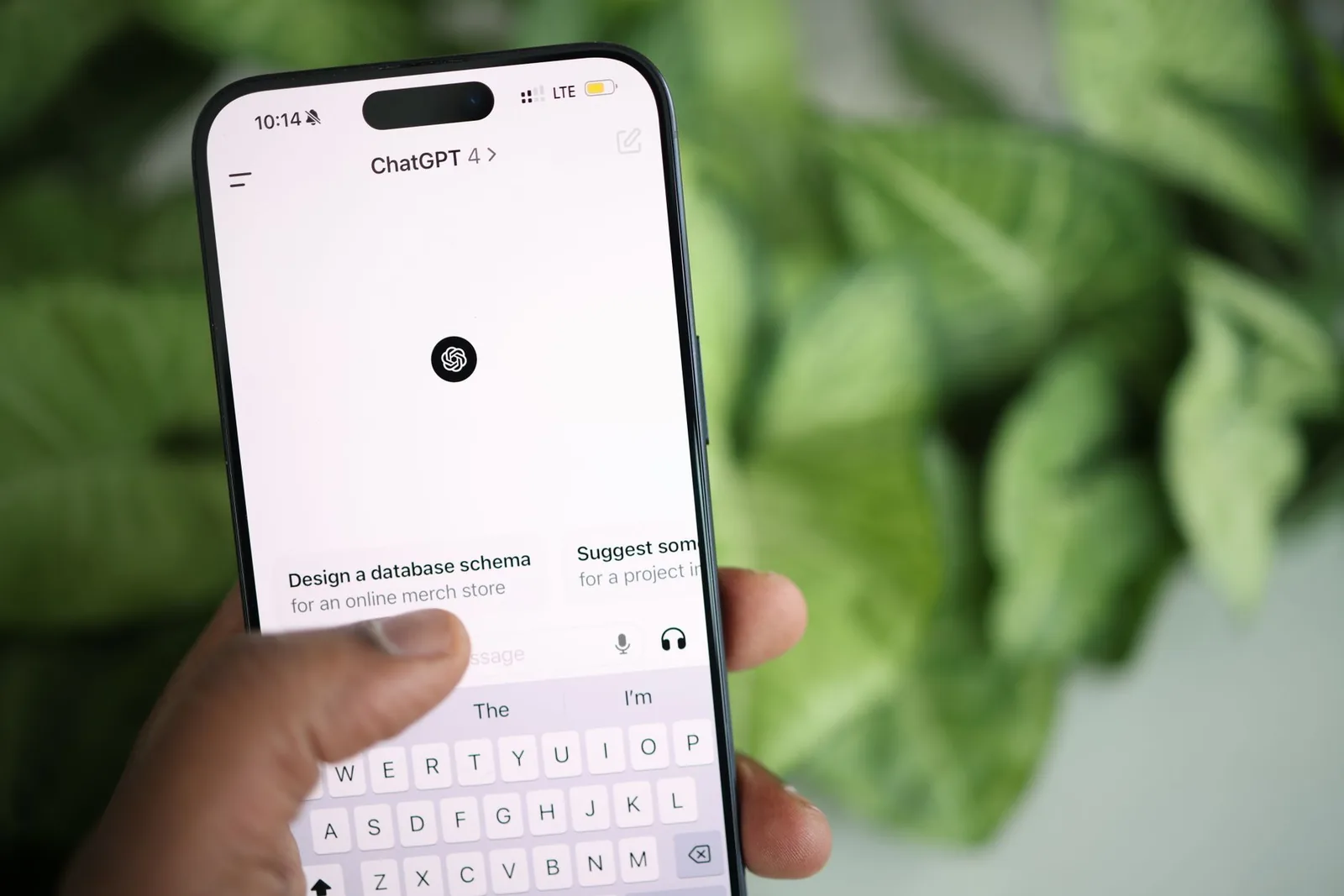
OpenAI announced on Wednesday that its ChatGPT mobile application now supports voice‑based agentic features. Users can speak to the app to launch multi‑step workflows—drafting documents, summarizing Slack messages, building simple websites, and more—without ever touching a keyboard. This shift marks a move from a purely conversational interface to a hands‑free productivity assistant that works across devices.- --
What Are “Agentic” Features?
Agentic AI goes beyond answering questions; it executes tasks on behalf of the user. In the context of ChatGPT, the new voice mode connects the spoken command to underlying models that can:
- Interact with cloud‑based tools (e.g., Google Drive, Slack).
- Generate structured outputs such as documents, presentations, or code snippets.
- Navigate the web via OpenAI’s ChatGPT Atlas browser in “agentic mode”.
- --
Key Features of the Mobile Update
| Feature | Description | Availability |
|---|---|---|
| Voice‑Driven Workflows | Speak commands like “draft a project proposal” or “summarize the latest Slack thread”. The model returns a ready‑to‑use document. | Plus & Pro subscribers |
| Rich Text Output | Voice conversations now produce richer, more structured text, making it easier to edit or copy. | All users |
| Seamless Text/Voice Switch | Toggle between speaking and typing without losing context. | All users |
| Cross‑Device Sync | Start a task on mobile, continue on desktop instantly. | All users |
| Expanded Toolset | Access to website builders, presentation generators, finance‑related tools, and a cloud browser. | Plus & Pro subscribers |
| Plugin & Connected‑App Access | Free and Go tier users can still leverage third‑party plugins. | Free/Go |
- --
How It Works: From Voice to Action
1. Activation – Tap the microphone icon or say the wake phrase.
2. Interpretation – The spoken request is processed by GPT‑Live, which can listen and respond simultaneously.
3. Agentic Dispatch – The request is routed to an agentic model that knows how to interact with the relevant service (e.g., email, Slack, web browser).
4. Result Delivery – The app returns the completed output—text, a draft email, a slide deck—directly in the chat window.
5. Continuation – Users can edit, approve, or ask follow‑up questions, and the conversation can be handed off to the desktop app.
- --
Competitive Landscape
- Anthropic recently merged its Cowork and Chat interfaces and streamlined mobile‑desktop handoffs, but it still keeps the “work” and “chat” spaces separate. OpenAI, by contrast, maintains a distinct Work tab while preserving a clean chat experience, offering a clearer division between casual conversation and task‑oriented actions.
- Other personal‑assistant projects (e.g., Instinct, Meta’s Muse) focus on single‑step commands. OpenAI’s voice‑agentic layer supports multi‑step, cross‑app workflows, giving it a strategic edge in the emerging “personal AI agent” market.
- --
Why This Matters for Users
- Productivity on the Go – Professionals can draft reports, respond to emails, or generate presentations while commuting or in a meeting.
- Accessibility – Voice interaction lowers the barrier for users with limited mobility or those who prefer hands‑free operation.
- Unified Experience – The ability to start a task on a phone and finish it on a laptop removes friction and encourages deeper adoption of the ChatGPT ecosystem.
- Revenue Strategy – Advanced agentic tools are gated behind Plus and Pro subscriptions, nudging power users toward paid tiers while still offering basic voice enhancements to free users.
- --
Future Outlook
OpenAI’s rollout aligns with a broader industry trend toward agentic AI—systems that act rather than merely respond. As voice interfaces become more reliable, we can expect:
- Deeper integration with third‑party services (CRM, project‑management tools, etc.).
- More sophisticated multi‑modal interactions, such as combining voice, vision, and text in a single workflow.
- Expanded desktop‑mobile parity, eventually making the mobile app a full‑featured replacement for the desktop environment.
- --
Conclusion
The addition of voice‑based agentic features to the ChatGPT mobile app transforms it from a conversational chatbot into a mobile‑first productivity powerhouse. By enabling hands‑free, multi‑step tasks and seamless cross‑device continuity, OpenAI not only enhances user experience but also solidifies its position in the fast‑growing personal‑assistant market.
- --
1. TechCrunch – ChatGPT mobile app gets voice‑based agentic features【https://techcrunch.com/2026/09/23/chatgpt-mobile-app-gets-voice-based-agentic-features】
2. Whalesbook – OpenAI Adds Agentic Voice Features to ChatGPT Mobile App【https://www.whalesbook.com/news/English/technology/OpenAI-Adds-Agentic-Voice-Features-to-ChatGPT-Mobile-App/6ab414a45aacb956d07ea3ba】
3. The Verge – You can now command ChatGPT Voice to do more things from your phone【https://www.theverge.com/ai-artificial-intelligence/999540/you-can-now-summon-chatgpt-voice-from-your-phone】
4. Wikipedia – ChatGPT【https://en.wikipedia.org/wiki/ChatGPT】
5. Business Insider – OpenAI wants you to ‘blurt out your thoughts’ to your phone【https://www.businessinsider.com/openai-boosts-chatgpt-voice-mode-mobile-web-app-2026-9】