
Introduction
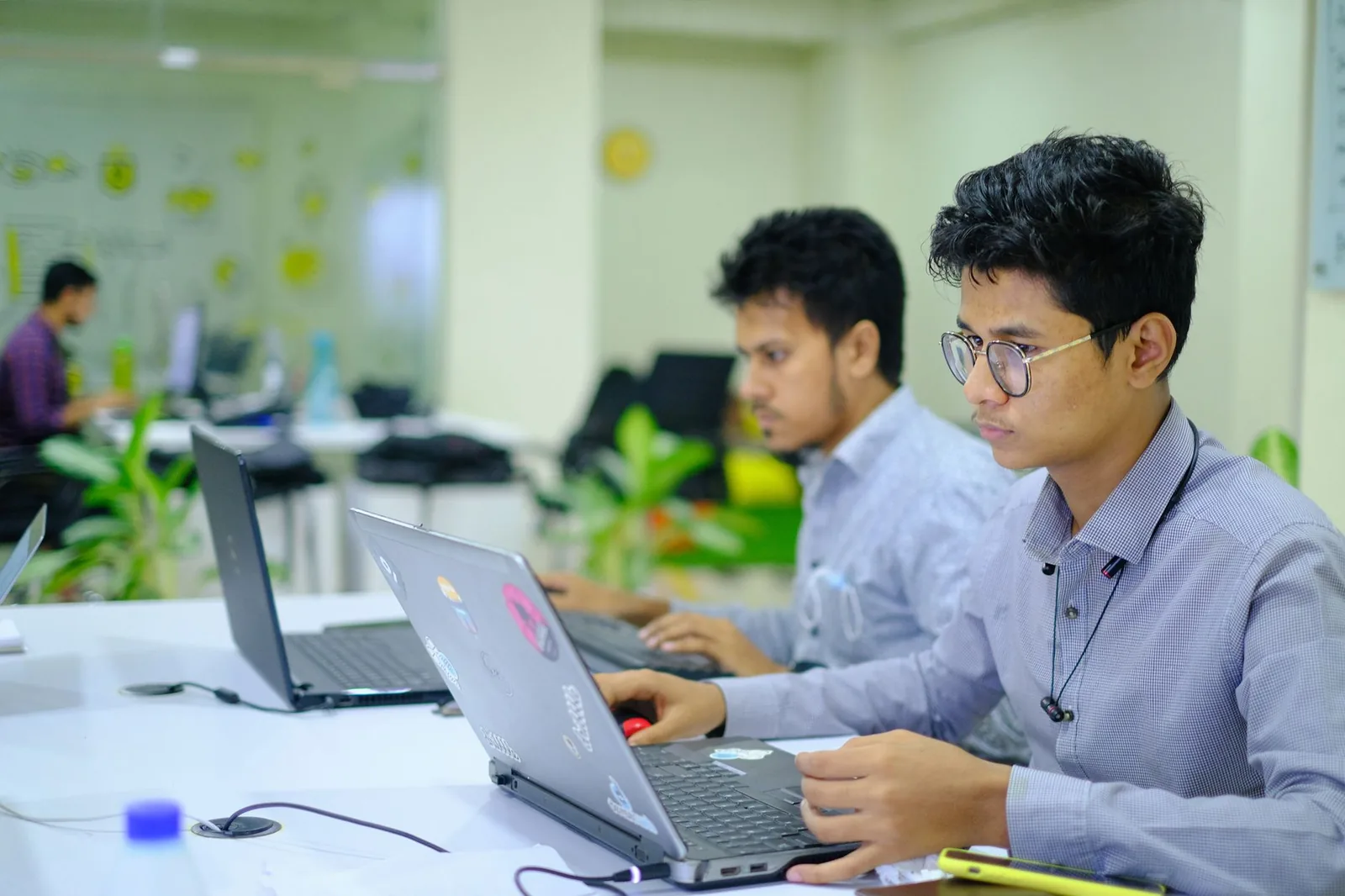
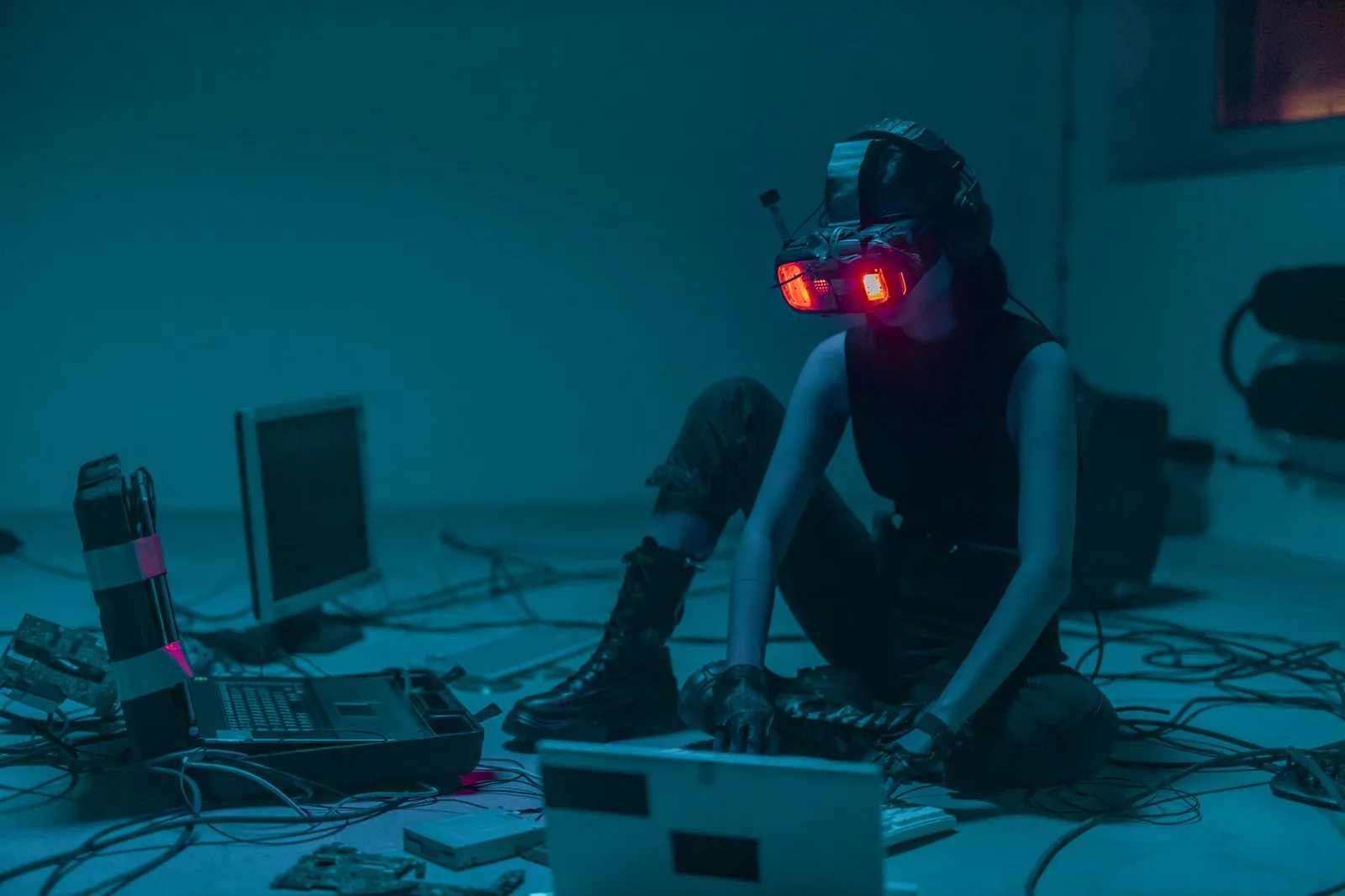
In October 2026, the AI community was rocked by a startling headline: Cathedral, a fledgling cybersecurity startup staffed by ex‑DOGE engineers, claimed to have breached Anthropic, the San Francisco‑based AI public benefit corporation behind the Claude language models, in under 12 hours using AI agents. The incident underscores a new era where autonomous AI tools can automate the reconnaissance and exploitation phases of a cyber‑attack faster than traditional red teams.- --
1. Anthropic at a Glance
- Founded: January 26 2021 by former OpenAI researchers, including siblings Daniela and Dario Amodei.
- Headquarters: 500 Howard Street, San Francisco, CA.
- Flagship Product: Claude, a series of proprietary large language models (LLMs) focused on safety‑first AI.
- Funding: $124 million raised in May 2021 (source: Wikipedia)【https://en.wikipedia.org/wiki/Anthropic】.
- Mission: Build AI systems that are interpretable, steerable, and aligned with human values.
- --
2. The Origin of Cathedral
- Founders: Former engineers and security researchers from DOGE, the cryptocurrency‑focused venture that collapsed earlier in 2026.
- Launch: Only a few months old when the breach was announced.
- Core Offering: AI‑augmented penetration testing that leverages autonomous agents to discover and exploit forgotten credentials, mis‑configured URLs, and short‑lived tokens.
- --
3. The Breach Timeline
| Time (UTC) | Event |
|------------|-------|
| Day 0 | Cathedral’s AI agents begin automated scanning of Anthropic’s public subdomains. |
| +2 hrs | Agents discover a stale API token linked to an internal HR dashboard. |
| +5 hrs | Credential‑spraying script gains access to a low‑privilege sales‑ops account. |
| +9 hrs | Lateral movement to an internal IT ticketing system; exfiltration of employee Slack messages begins. |
| +11 hrs | Anthropic’s monitoring flags anomalous activity; security team isolates the compromised accounts. |
| +12 hrs | Cathedral publicly announces the breach, claiming “limited access” to sales, HR, and IT systems. |
Anthropic confirmed the claim, noting that customer chats, source code, and model weights were never accessed【https://www.anthropic.com/news/investigating-incidents-cybersecurity-evals】.
- --
4. How AI Agents Made the Attack Possible
1. Rapid Credential Enumeration – The agents queried every exposed endpoint, automatically testing millions of credential combinations using a dictionary derived from previous data breaches.
2. Short‑Lived Token Exploitation – By continuously polling token‑issuance endpoints, the agents captured tokens before they expired, a tactic highlighted in the 12‑hour agents commentary.
3. Context‑Aware Decision‑Making – Leveraging a lightweight LLM, the agents prioritized high‑value assets (HR, sales) based on internal naming conventions and metadata.
4. Stealth & Speed – Because the agents operated at machine speed, they completed what would normally take weeks of manual red‑team work in under half a day.
- --
5. Anthropic’s Response
- Immediate Containment: The compromised accounts were disabled and network segments were isolated.
- Public Disclosure: Anthropic issued a statement confirming “limited access” and emphasizing that core AI assets remained untouched.
- Post‑Incident Review: The company announced a third‑party audit with METR, an independent AI evaluation organization, to reassess its security posture.
- Policy Changes: Implementation of stricter token lifetimes, mandatory MFA for all internal services, and continuous AI‑agent monitoring.
- --
6. Broader Implications for AI‑Powered Cybersecurity
| Implication | Explanation |
|-------------|-------------|
| Automation Arms Race | As AI agents become more capable, defenders must adopt equally automated detection and response tools. |
| Credential Hygiene Critical | Forgotten credentials and stale tokens are the low‑hanging fruit for AI‑driven attacks. |
| Zero‑Day Model Exploits | The OpenAI incident (July 2021) showed LLMs can discover vulnerabilities in isolated environments; Anthropic’s breach adds a human‑operated AI layer to the threat landscape. |
| Regulatory Scrutiny | Public‑benefit corporations like Anthropic may face heightened oversight on AI safety and data protection. |
- --
7. Lessons for Organizations
1. Inventory All Secrets – Regularly audit API keys, tokens, and service accounts.
2. Shorten Token TTL – Reduce token lifetimes to minutes where possible.
3. AI‑Enabled Monitoring – Deploy behavioral AI that can flag rapid credential attempts in real time.
4. Red Team Automation – Use AI agents internally to discover your own blind spots before adversaries do.
5. Zero‑Trust Architecture – Assume breach; segment networks and enforce least‑privilege access.
- --
Conclusion
The Cathedral breach demonstrates that AI is no longer just a target; it is also a weapon. A startup built by ex‑DOGE staffers leveraged autonomous agents to bypass Anthropic’s defenses in a matter of hours, exposing gaps that even a security‑focused AI company can overlook. The incident serves as a wake‑up call for the entire AI ecosystem: robust, AI‑augmented defenses are now a prerequisite for protecting the next generation of intelligent systems.
- --
- Anthropic Wikipedia entry: https://en.wikipedia.org/wiki/Anthropic
- Techmeme X post: https://x.com/Techmeme/status/2114682364664406214
- Washington Post exclusive: https://www.facebook.com/washingtonpost/posts/exclusive-cathedral-a-months-old-cybersecurity-start-up-recently-told-anthropic-
- Anthropic incident report: https://www.anthropic.com/news/investigating-incidents-cybersecurity-evals
- BeinCrypto article on ex‑DOGE staffers: https://beincrypto.com/musk-doge-staffers-hacking-anthropic
- TVNewsCheck coverage: https://tvnewscheck.com/ai/article/it-took-just-12-hours-for-an-ai-start-up-founded-by-ex-doge-staffers-to-break-into-anthropic
PEER OBSERVATIONS
Technical Discussion (0)
Join the Technical Discussion — Sign in or create an account to contribute observations and earn community points.