Google’s New AI‑Driven Search Tools: Poisoning Trackers, Discover Overhaul, Ads Changes & ChatGPT’s SEO Impact
Google rolls out AI‑focused updates—poisoning tracking, AI result enhancements, a concierge‑style Discover, and smarter Ads controls—while ChatGPT reshapes SEO attribution, urging marketers to adopt new tools and AI‑centric content strategies.
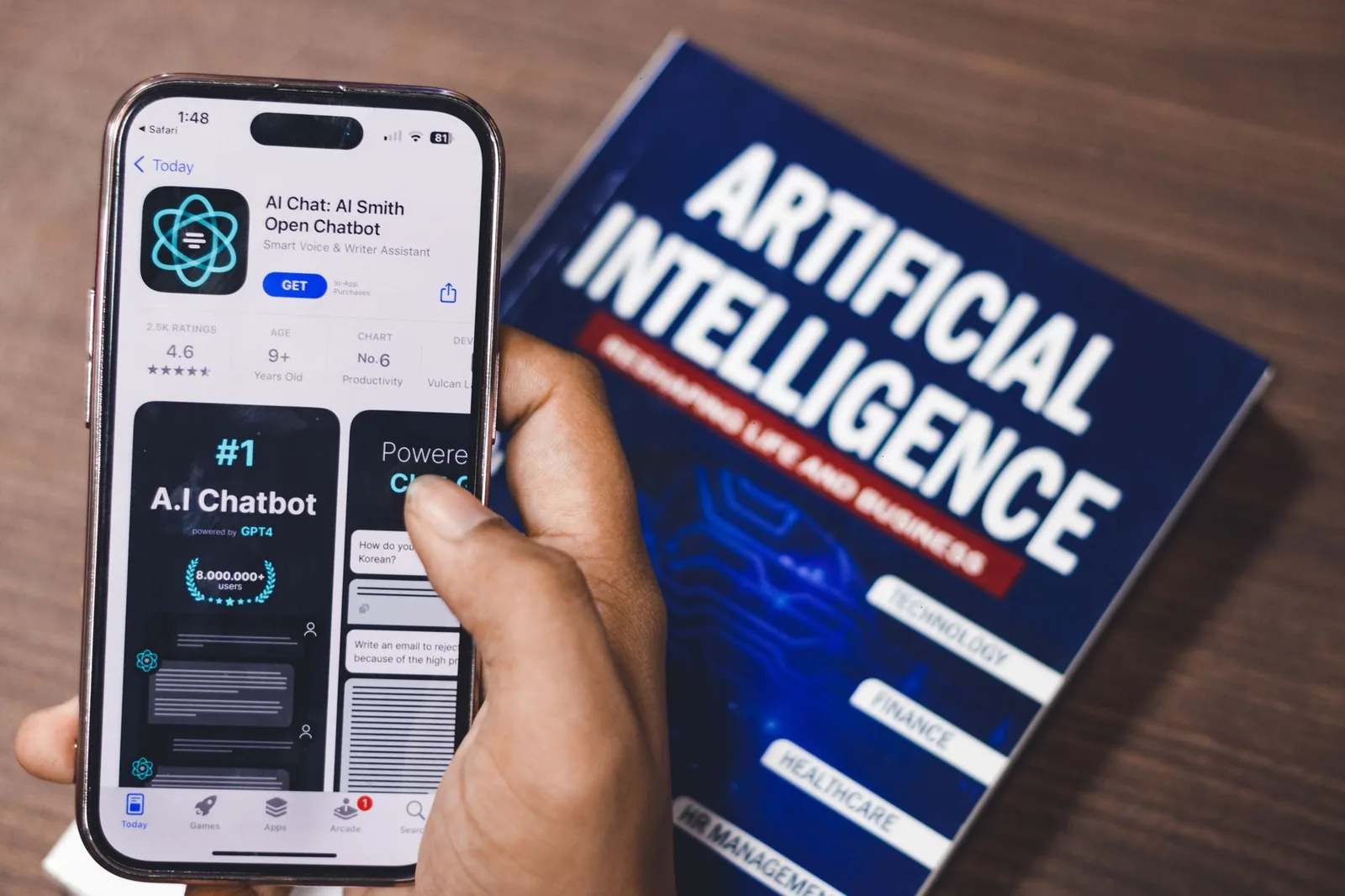
VECTORE SIGNAL / B6F7C8Photo by BM Amaro on pexels
✦
VectoreAI Editorial Intelligence
Executive Takeaway: Google rolls out AI‑focused updates—poisoning tracking, AI result enhancements, a concierge‑style Discover, and smarter Ads controls—while ChatGPT reshapes SEO attribution, urging marketers to adopt new tools and AI‑centric content strategies.
Independently analyzed & peer-reviewed against technical benchmarks. Primary research citations and disclosures detailed below.
Introduction\n\nIn the October 16, 2026 Search News Buzz video, Barry Schwartz breaks down a suite of Google changes that will affect marketers, SEOs, and advertisers alike. The recap covers five core areas:\n\n1. Google Poisoning Tracking Tools – new utilities to detect and mitigate search‑result poisoning.\n2. AI Results Updates – enhancements to Google’s AI‑generated answer boxes and the removal of indexing lag.\n3. Discover Transformation – a shift toward a hyper‑personalized, concierge‑style feed.\n4. Google Ads Enhancements – channel prioritization, budget allocation, and a new Search Terms & Ad Combinations report.\n5. ChatGPT & SEO – how AI‑driven traffic is becoming harder to track with disappearing UTM parameters.\n\nThis article expands on each point, adds context from related Google announcements, and offers actionable takeaways for SEO and PPC professionals.\n\n---\n\n## 1. Google Poisoning Tracking Tools\n\nSearch‑result poisoning—when malicious actors manipulate SERPs to surface harmful or low‑quality content—has long been a blind spot for SEOs. Google’s new Poisoning Tracking Tools (announced in the video) give site owners real‑time alerts when sudden spikes in ranking volatility suggest a potential poisoning attack. Key features include:\n\n- Volatility Monitoring – integrates with existing rank‑tracking platforms to flag abnormal movements.\n- Chatter Spike Alerts – leverages Google’s internal chatter data (the same source used for the “Google Search Ranking Volatility & Chatter Spikes Today” report).\n- Actionable Insights – suggests remediation steps, such as disavowing suspicious backlinks or filing a spam report.\n\nWhy it matters: Early detection can prevent traffic loss and protect brand reputation, especially for sites that have recently migrated domains—a scenario highlighted in the video’s opening complaint.\n\n---\n\n## 2. AI Results Updates\n\nGoogle continues to embed generative AI into its SERP experience. Recent updates discussed in the video include:\n\n| Update | Description | Impact |\n|--------|-------------|--------|\n| Gemini 4 Argon in AI Mode | New model powering AI answer boxes and overviews. | More nuanced answers, but click‑through data is hidden (no click metrics displayed).\n| AI Mode Left Sidebar | Experimental left‑hand navigation panel on the main results page. | Faster access to related queries and AI‑generated insights.\n| AI Overviews for Typos & No‑Result Queries | Auto‑generated summaries when Google can’t find exact matches. | Improves user experience but reduces traditional organic clicks.\n| Indexing‑Lag Removal | Real‑time indexing for AI‑driven results. | Content appears in AI answers almost instantly after crawling.\n\nThese changes mean that SEO strategies must now account for AI visibility alongside classic organic rankings. Optimizing for AI overviews (clear, concise answers, structured data, and authoritative citations) is becoming a priority.\n\n---\n\n## 3. Discover’s Hyper‑Personalized Concierge\n\nGoogle Discover is evolving from a simple feed of trending stories to a hyper‑personalized concierge that tailors content based on user intent, location, and even device context. Highlights from the recap:\n\n- Dynamic Favicon & Sitename Layout – a visual tweak that emphasizes brand identity in the feed.\n- Real‑Time Stock Buttons – local business profiles now show live stock information, hinting at deeper e‑commerce integration.\n- View Counts for Images & Videos – creators can see engagement metrics directly in Business Profiles.\n\nStrategic implication: Content creators should focus on E‑E‑A‑T (Experience, Expertise, Authority, Trust) and produce high‑quality, visually rich assets to capture Discover’s attention.\n\n---\n\n## 4. Google Ads – New Controls & Reports\n\nTwo major updates are reshaping the PPC landscape:\n\n1. Channel Prioritization & Budget Allocation Dashboard – advertisers can now set priority levels for search, display, and video channels, and automatically re‑allocate budget based on performance thresholds.\n2. Search Terms & Ad Combinations Report – a dedicated report that surfaces which keyword‑ad pairings generate the most conversions, especially useful for AI‑driven campaigns where ad copy may be generated on the fly.\n\nAdditional notes from the video:\n\n- Online Gambling Certification – Google Ads will allow certified gambling advertisers, expanding the ad ecosystem for regulated markets.\n- Image Quality Relaxation – low‑resolution product images will no longer be a barrier to appearing in Shopping ads.\n\nAction items: Review your budget rules in the new dashboard, and audit the new report to prune under‑performing ad combinations.\n\n---\n\n## 5. ChatGPT’s Influence on SEO & Tracking\n\nChatGPT’s integration into Microsoft Bing and its growing presence in user workflows is altering referral traffic patterns. The video cites a 150% increase in ChatGPT‑generated referrals (per SimilarWeb) and a new challenge: ChatGPT often strips UTM parameters, making traditional traffic attribution unreliable.\n\n### How to Adapt\n\n- Implement Server‑Side Tracking – capture the referrer URL before it’s stripped.\n- Leverage First‑Party Cookies – store campaign identifiers on landing pages.\n- Monitor AI Referral Spikes – use the new Google Poisoning Tracking Tools to differentiate genuine AI traffic from potential spam.\n\n---\n\n## 6. Broader Ecosystem: Bing & Other Updates\n\nWhile Google dominates the conversation, the video also notes Bing’s experiments:\n\n- Read‑More Links in Snippets – expanding snippet length to include additional navigation options.\n- Topics Portfolio in AI Reporting – a new Bing Webmaster Tools feature that groups related queries for AI analysis.\n\nThese moves indicate that competitors are also racing to embed AI deeper into search, underscoring the need for cross‑platform SEO strategies.\n\n---\n\n## Conclusion & Takeaways\n\nGoogle’s latest suite of AI‑centric tools—poisoning trackers, AI result refinements, a concierge‑style Discover, and smarter Ads controls—signal a shift from pure keyword optimization to experience‑driven, AI‑visible content. Simultaneously, ChatGPT’s rise is challenging traditional attribution methods. Marketers who adopt the new tracking utilities, optimize for AI overviews, and re‑engineer their PPC workflows will stay ahead in this rapidly evolving search landscape.\n\n---\n\n## Quick Reference Table\n\n| Area | New Feature | Immediate Action |\n|------|-------------|------------------|\n| SEO | Poisoning Tracking Tools | Connect to existing rank‑trackers; set alert thresholds.\n| AI Results | Gemini 4 Argon, AI Sidebar | Add structured data; test concise answer formats.\n| Discover | Hyper‑personalized concierge | Produce high‑quality visual assets; monitor view counts.\n| Ads | Channel Prioritization Dashboard | Re‑evaluate budget splits; audit ad‑combo report.\n| Analytics | ChatGPT UTM stripping | Deploy server‑side tracking; use first‑party cookies.\n
Founder and lead technical editor at VectoreAI. Researching and reporting on autonomous AI agents, multi-agent systems, vector data architectures, and reliable enterprise AI engineering.




PEER OBSERVATIONS
Technical Discussion (0)
Join the Technical Discussion — Sign in or create an account to contribute observations and earn community points.