
Introduction
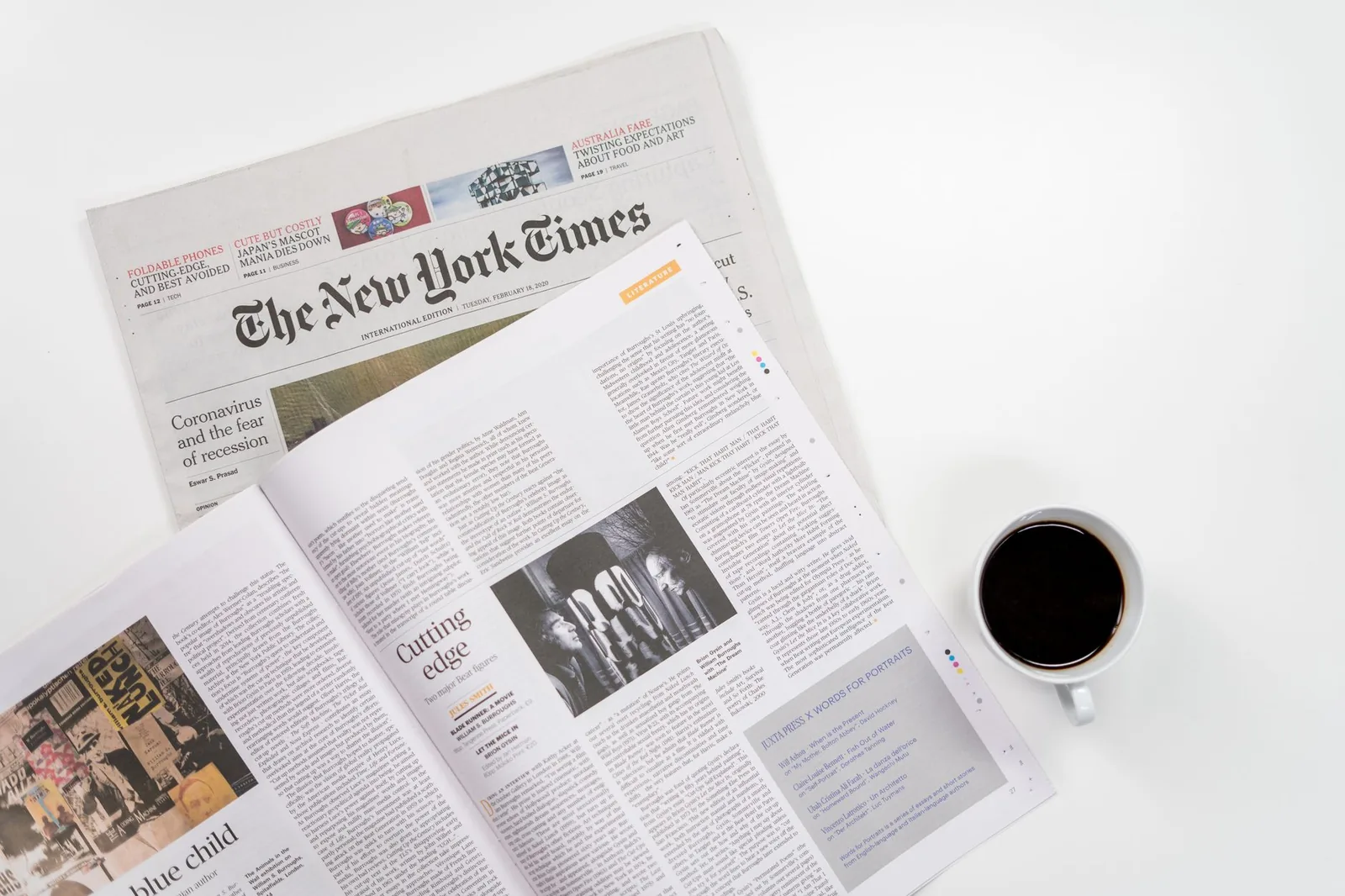
In a surprising move that reads like a holiday gift for purists, The New York Times has asked all freelance photographers to skip Adobe Photoshop 2027. The newspaper’s editorial leadership warned that the latest update packs generative‑AI tools that can embed metadata flagging photos as AI‑generated—something the Times wants to avoid at all costs.- --
What’s New in Photoshop 2027?
Adobe’s November 2026 release (version 28.0.0) is marketed as a one‑stop “AI Assisted Editor.” Key additions include:
- Prompt‑based image editor – type a natural‑language command and let the model modify the picture.
- Background remover – automatically isolates subjects using AI.
- AI image extender (Generative Fill) – expands canvas content beyond the original frame.
- Step‑by‑step editing instructions – AI‑driven tutorials that apply edits automatically.
- --
The NYT’s Email to Freelancers
The memo, signed by photography leads Meaghan Looram and Josh Haner, reads in part:
“It has come to our attention that certain functions in Adobe Photoshop 2027 utilize generative AI in ways that may not be apparent to users. At this time we are requiring that all contributing photographers avoid using Adobe Photoshop 2027 (release 28.0.0 and subsequent updates) when working on assignment for The Times.”
The email also references Adobe’s recent rollout of C2PA metadata—a standard that tags images with provenance information, including whether AI was used. The Times fears that inadvertent AI tags could appear on its published photographs, undermining its longstanding policy of minimal, color‑only adjustments.
- --
Why Metadata Matters
1. Transparency – The Times’ readers expect images to be faithful representations of real events.
2. Legal Risk – Mislabelled AI‑generated content could trigger accusations of misinformation.
3. Brand Integrity – The paper has spent years suing AI companies and publicly pledging not to use AI‑generated visuals.
If Photoshop silently adds C2PA tags, a photo could be flagged as AI‑generated on social platforms, sparking controversy even if no AI tool was actually used.
- --
Implications for Freelance Photographers
| Impact | What freelancers need to do |
|--------|----------------------------|
| Software version | Stay on Photoshop 2026 or earlier, or use alternative editors (e.g., Lightroom, Capture One). |
| Workflow | Perform only “minimal color adjustments” and avoid any AI‑based tools, even for background removal. |
| Documentation | Keep a record of software versions used for each assignment in case of audit. |
| Future updates | Monitor NYT policy updates; the paper may release a detailed “generative AI policy” for freelancers. |
- --
The Broader Industry Context
The Times is not alone in tightening AI rules. Newsrooms worldwide are grappling with:
- Microsoft’s AI‑tagging in Office – similar concerns about hidden provenance data.
- Adobe’s “AI bloatware” criticism – many creators feel essential tools are being buried under optional AI features.
- Legal battles – The Times has sued several AI companies over misuse of copyrighted material.
- --
Conclusion
By barring Photoshop 2027, the New York Times is drawing a clear line: human‑crafted images only. For freelancers, the directive is both a logistical hurdle and a reminder that the ethics of visual storytelling are evolving faster than the software that supports it. As AI continues to seep into creative suites, news organizations will likely keep refining policies to safeguard credibility—and freelancers must stay agile.
- --



PEER OBSERVATIONS
Technical Discussion (0)
Join the Technical Discussion — Sign in or create an account to contribute observations and earn community points.