

Introduction
Artificial intelligence is reshaping higher‑education, but not always for the better. Generative models such as ChatGPT can complete essays, solve math problems, and even take entire online courses for students, raising doubts about the value of virtual degrees【"A.I. Agents Are Taking Entire Online Courses for Cheating ..."】. In response, a growing cohort of teachers is abandoning traditional take‑home assignments and moving toward assessment formats that show learning in real time.The Scale of the Problem
- Online enrollment boom: More than half of American college students took at least one online class in 2025, up from a third in 2019.
- AI‑enabled cheating: Reports indicate that AI agents are completing whole courses for students, prompting universities to question the integrity of online credentials.
- Student pushback: Cases of alleged AI misuse have led to accusations of plagiarism, strict proctoring measures, and a climate of mistrust on campuses like UCLA.
Traditional Countermeasures
| Approach | How It Works | Limitations |
|----------|--------------|-------------|
| Hand‑written exams | Students write answers on paper, scanned for grading. | Still vulnerable to AI‑generated text if typed beforehand and copied.
| Oral presentations | Students explain concepts verbally. | Time‑consuming for large classes; may favor extroverted students.
| Proctored video exams | Cameras monitor the workspace; mirrors used to eliminate blind spots. | Technically demanding; raises privacy concerns; students report feeling "degrading"【"It just felt so degrading"】.
Innovative Classroom Strategies
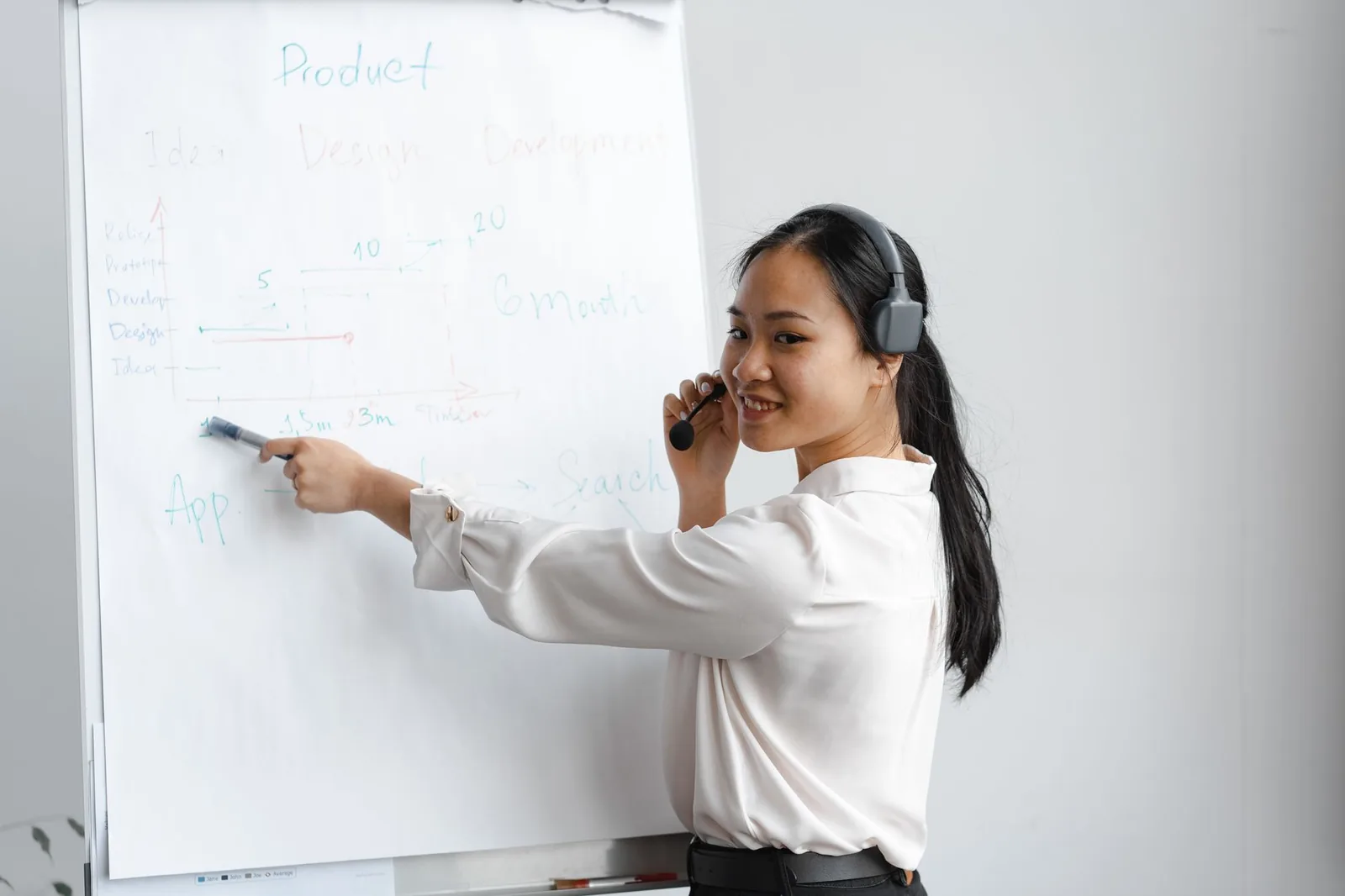
1. Real‑Time Problem Creation – Al Rabanera (California)
- Method: Students design their own word problems based on personal interests and solve them during class.
- Outcome: Encourages deep conceptual understanding and makes it impossible to copy a generic AI‑generated solution.
- Source: The End of Homework? Teachers Grapple With Cheating in the Age of AI (July 14 2026).
2. Mirror‑Back Proctoring – UCLA Sociology Classes
- Method: Students place a large mirror behind their laptop to reflect the entire desk area while the camera records.
- Additional Rules: Arms crossed or hidden behind the head to prevent typing on hidden devices.
- Student Reaction: Many feel the measures are invasive and erode trust【"It just felt so degrading"】.
3. Multi‑Stage Draft Documentation
- Method: Students must save every draft version in a shared folder, providing a timestamped trail of their work.
- Benefit: Creates a transparent workflow that deters sudden AI‑generated submissions.
- Challenge: Increases administrative load for both students and instructors.
The Limits of AI‑Detection Tools
Dr. John Milliken (University of Ulster) notes that detection software lags behind rapidly evolving language models, often producing false positives or missing sophisticated AI output【"One of the biggest challenges"】. Consequently, many institutions view detection as a supplement rather than a primary solution.
Returning to Basics: Hand‑Written & In‑Class Tasks
Educators across K‑12 are re‑introducing handwritten assignments, in‑class design challenges, and oral exams to ensure that learning is demonstrated rather than submitted.Trust and the Teacher‑Student Relationship
Max Spero highlights a growing trust deficit: "...the relationship between students and teachers is adversarial. We need to step back and recognize our shared goal of learning" (August 27 2025). Policies that assume guilt can alienate students, while collaborative approaches may restore confidence.Future Outlook
- Hybrid assessment models: Combining AI‑assisted feedback with human‑verified performance tasks.
- Policy clarity: States are issuing AI guidelines, but many leave teachers to devise their own enforcement strategies【"State AI guidance for schools skirts cheating"】.
- Pedagogical shift: Emphasis on process over product—students must articulate reasoning, not just present final answers.
Quick Reference Table
| Strategy | Classroom Example | Pros | Cons |
|----------|-------------------|------|------|
| Custom word‑problem projects | Al Rabanera’s math class | Promotes creativity; AI‑proof | Requires more grading time |
| Mirror‑back video proctoring | UCLA sociology final | Visible workspace; deters hidden devices | Invasive; technical glitches |
| Draft‑track documentation | Various online courses | Transparent workflow; easy to audit | Adds administrative burden |
| Hand‑written in‑class work | K‑12 math labs | Low tech; authentic evidence | Not scalable for large lectures |
| AI‑detection software | University plagiarism checks | Automated flagging | High false‑positive rate |
Conclusion
The rise of generative AI has forced educators to rethink assessment design. By demanding real‑time, demonstrable work—whether through personalized projects, mirrored proctoring, or multi‑stage drafts—teachers are reclaiming the proof of learning. The ultimate success of these measures will depend on balancing rigor with trust, and on institutions providing clear, supportive policies.- --

PEER OBSERVATIONS
Technical Discussion (0)
Join the Technical Discussion — Sign in or create an account to contribute observations and earn community points.